
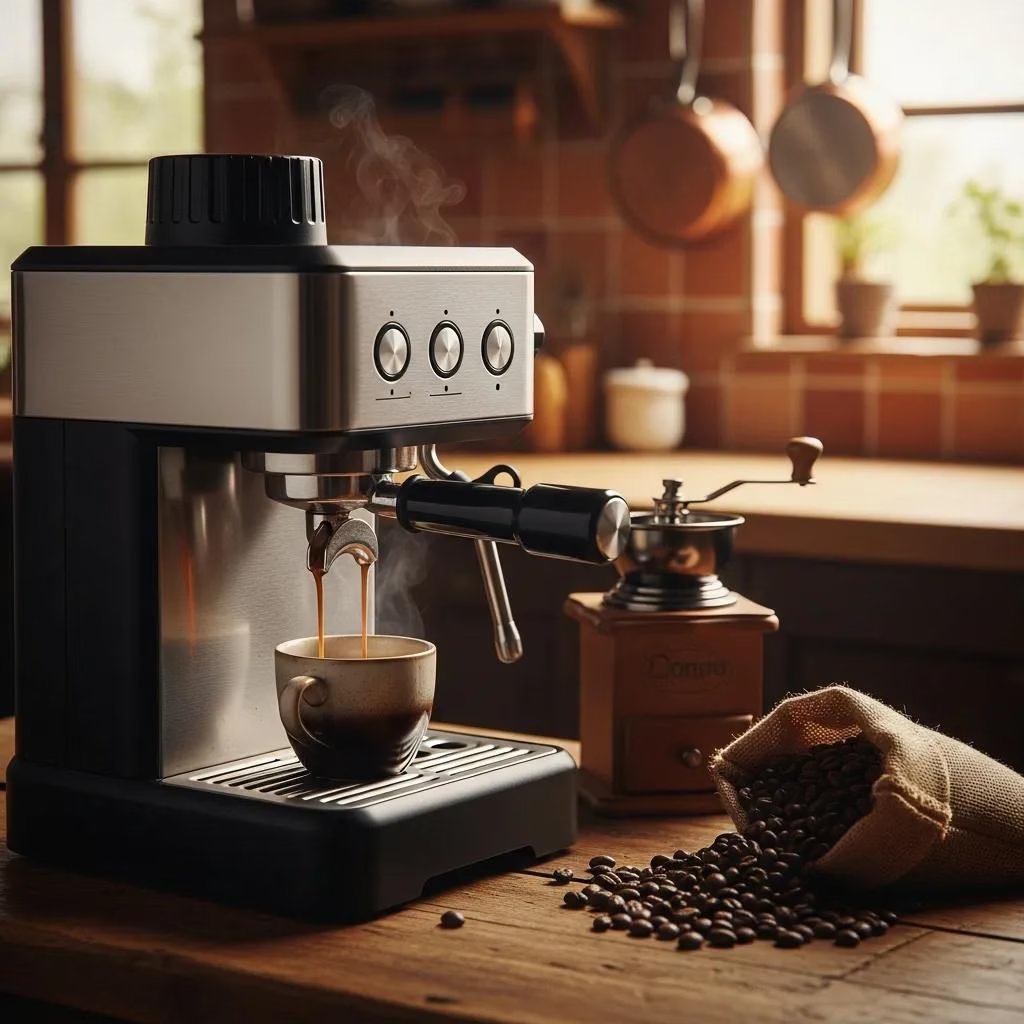
Make Great Espresso on a Cheap Machine: Budget Tips for Beginners
Getting the best espresso from an inexpensive machine starts with a realistic aim: a concentrated, balanced shot with a pleasant crema and controlled bitterness – something difficult with cheaper espresso machines. Instead of chasing costly hardware, focus on what you can control—fresh beans, the grinder, dose and tamp, water quality, and simple milk technique. Entry-level machines often struggle with temperature stability, pump consistency, and steam power, so careful technique and routine maintenance make the biggest difference. This guide walks you through choosing a budget machine that gives you the best shot at quality, dialing in grind and dose on less-stable equipment, managing temperature and water hardness, practical milk-texturing tricks, and the cleaning and troubleshooting habits that keep performance steady. Expect step-by-step tests you can run at home, clear decision tables that compare features by function (not brand), and concise daily and monthly care lists. By learning cause → effect relationships—grind size → flow rate → extraction or tamp pressure → channeling risk—you’ll pull noticeably better shots without expensive upgrades.
The basic approach—adjust the controllable variables when hardware is limited—is supported by research on how machine factors affect espresso extraction.
Optimizing Espresso Extraction by Modifying Machine Variables
The study focused on improving espresso extraction by changing machine variables to produce higher-quality espresso while reducing the amount of coffee powder needed for preparation.
Espresso Coffee preparation: analytical study to improve the quality of the product, S Angeloni, 2020
How to Choose the Best Budget Espresso Machine for Quality Brewing
On a tight budget, pick a machine that prioritizes a dependable pump, a correctly sized portafilter, and some steam capability—these parts most directly shape extraction, dosing consistency, and milk texture. Pump and pressure behavior control how evenly water flows through the puck; portafilter size determines dosing and basket options; and a usable steam wand (even a low-powered one) lets you make more drinks. Read specs with a practical eye: “15 bar pump” is a prompt to test for steady flow and pre-infusion, while “compact” often means smaller boilers and shakier temps. If you’re choosing used over new, favor serviceability and spare-part access over cosmetic condition—those factors reduce repair costs and extend lifespan. The next section unpacks the features to prioritize and why they matter for taste and reliability.
From the Java Jim perspective, skip the logo and focus on feature-sets that let you repeat shots. I recommend real-world testing over blind faith in spec sheets—see my hands-on comparisons and photos linked after the feature checklist below.
The table below summarizes machine types and the feature trade-offs that matter for cup quality and upkeep.
Intro to comparison table: This grid compares common budget machine categories and whether they include features that affect brewing and maintenance.
Key insight: For most beginners, a semi-automatic entry-level machine offers the best compromise—manual methods reward practice, but they demand more technique.
Here’s a quick checklist to use when shopping new or inspecting a used unit.
- Look for a removable portafilter and standard basket sizes so you can experiment with dosing.
- Prefer metal boilers or a well-built thermoblock and the ability to flush water to manage temperature.
- Confirm the machine has a serviceable steam wand or an external frothing option to expand drink choices.
Summary: Prioritize pump reliability, portafilter size, and steam capability—those features give the biggest returns in shot consistency and milk texture and guide future technique or upgrade choices.
What Features Should You Look for in a Cheap Espresso Machine?
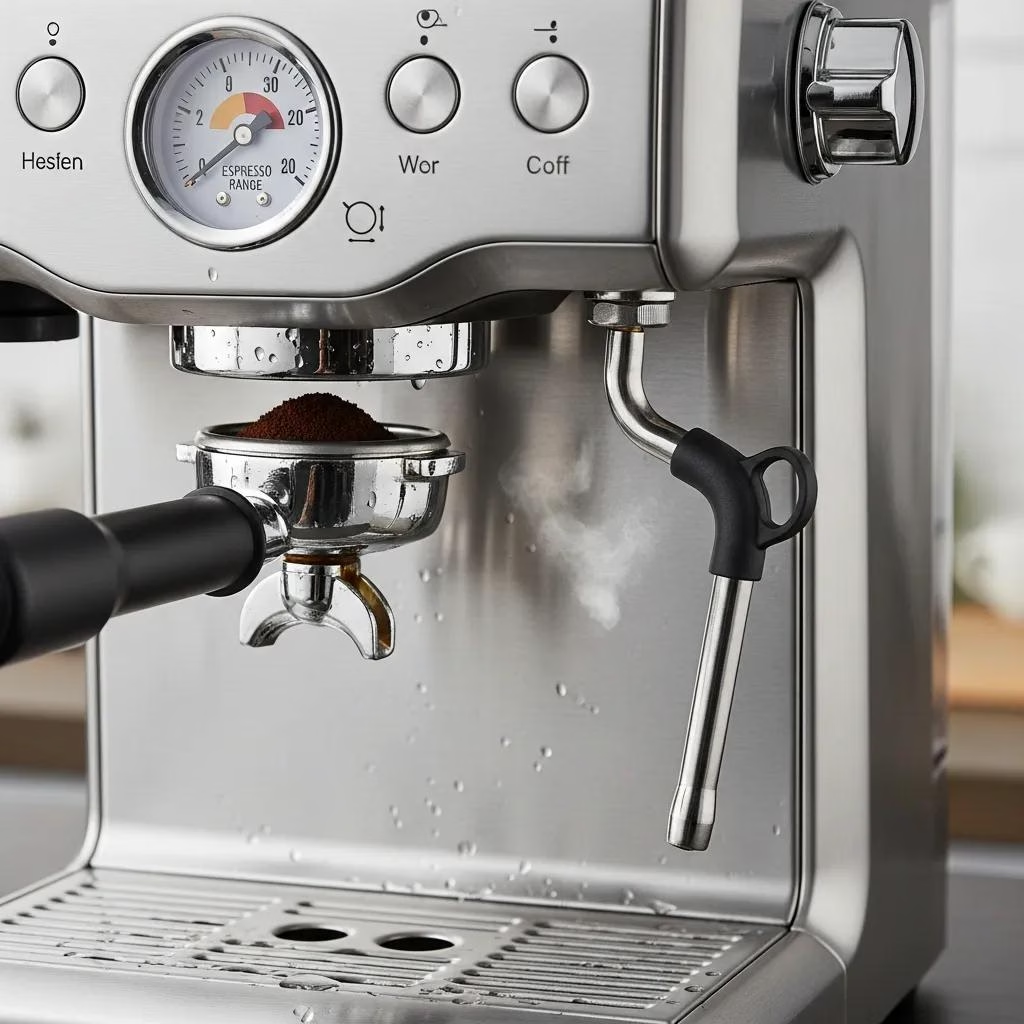
On low-cost machines, the most important elements are pump pressure behavior, portafilter compatibility, and steam-wand usability—because they determine extraction consistency and milk quality. Pump behaviour controls flow rate; an inconsistent pump gives variable shots even with perfect grind and dose. Portafilter size and basket quality affect how evenly you can distribute coffee, which reduces channeling. The steam wand’s reach and tip type decide whether you can texture milk; weaker wands need adapted technique but can still produce good microfoam. In short: a stable pump and a solid portafilter will outperform flashy extras like programmable displays. Understanding these parts—pump, portafilter, group head—helps you evaluate a machine’s real brewing capability and choose purchases that improve cup quality, not just aesthetics.
Which Affordable Espresso Machine Brands Offer the Best Value?
Across budget ranges, brands tend to fall into a few value patterns: some favor simple, durable mechanics; others add automation at the cost of temperature stability; and a few optimize compact designs for small kitchens. Entry-level machines usually share the same core components—thermoblocks, 15-bar vibratory pumps, and 49–58 mm portafilters—so brand choice often comes down to service networks and spare-part availability rather than huge differences in shot quality. Buying used can be a smart value move if you check that the group seal and pump work and that parts are available. Older models with metal components often outlast newer plastic-bodied units. A brand with clear support docs and an active user community makes troubleshooting and repairs easier—and that matters more over time than logo prestige. Next, we move from machine selection to the single most important variable under your control: the grind.
What Are the Best Grinding Techniques for Budget Espresso Machines?
Grind control is the single biggest lever for getting great espresso from a cheap machine because it directly affects flow rate and extraction when temperature and pressure aren’t ideal. Finer grinds add resistance, slow flow, and usually increase extraction; coarser grinds speed flow and risk under-extraction. On machines with inconsistent hardware, use a careful single-variable approach: change only grind size, keep dose constant, and watch flow time and taste to dial in. Good distribution and consistent tamping reduce channeling and make grind adjustments more predictable. Below you’ll find practical experiments, a compact reference table, and a small troubleshooting checklist to use while dialing in.
Research supports systematic adjustment of variables like grind size to optimize espresso extraction—and even to explore using less coffee while maintaining quality.
Scientific Optimization of Espresso Extraction Variables
This doctoral research used experimental and analytical methods to optimize espresso extraction, including sustainable approaches and simulations. Part of the work applied auxiliary devices to test how changing variables influenced extraction, with an aim to reduce the coffee dose while keeping quality high.
Advanced experimental and analytical study for the optimization of the Espresso Coffee extraction., G Khamitova, 2020
Before the step-by-step, here’s a compact grind-parameter table linking settings to shot behavior and fixes.
Intro to grind table: Use this grid to map grind tweaks to expected taste and flow so you can troubleshoot quickly.
Key takeaway: Make small, systematic grind changes for the clearest feedback on budget machines; don’t change multiple variables at once.
Practical dialing-in steps to run on a new or inconsistent machine:
- Set a baseline: Start with an 18–20 g dose (if your portafilter allows) and aim for a 23–27 second yield for a double shot.
- Single-variable changes: Change only the grind by one notch, pull a test shot, and taste—note flow, crema, and balance.
- Tweak dose/distribution: If flow is uneven, focus on distribution and tamp before changing grind size again.
Summary: Grind adjustments are the quickest route to better shots on modest gear. For visual demos,
How Does Grind Size Affect Espresso Taste on Cheap Machines?
Grind size sets the surface area exposed to water and therefore extraction rate—on less-stable machines this link is stronger because the machine can’t compensate for big flow swings. Finer grinds increase extraction and can highlight bitterness or astringency if temperature or time are off; coarser grinds often yield sour or thin shots. When dialing in, run mini-experiments: move one notch finer, pull a shot, then in the next shot change only tamp consistency—compare taste and flow time. Expect narrow margins for error: a single grinder click can noticeably change shot character, so take small steps and be patient. Next, we’ll cover beans that play well with these constraints.
Which Coffee Beans Work Best with Budget Espresso Machines?
Bean choice matters more when equipment is limited. Medium-roasted blends that prioritize balance tend to perform better than very dark roasts because they keep acidity and sweetness intact—qualities cheap machines can struggle to develop without perfect thermal stability. Bright single-origin beans can highlight under-extraction, while balanced blend profiles mask small temperature swings and usually give more consistent crema. Freshness is crucial—grind right before brewing and avoid stale beans that exaggerate bitterness; the 1–3 week post-roast window is often a sweet spot for espresso-style shots. For beginners, pick a balanced medium roast blend and practice dialing grind and dose; fewer variables in the beans helps you learn the machine’s limits and strengths.
How to Optimize Water Temperature and Quality for Affordable Espresso
Water temperature and mineral content both shape extraction chemistry and machine longevity—so even inexpensive machines benefit from a little attention here. Temperature controls solubility of acids and sugars—too hot pulls harsh bitterness, too cool leaves sourness—while mineral content affects taste and scale buildup. On machines without PID or temp readouts, regulate temperature by workflow: flush the group head, run a short blank shot to warm the system, and time your extraction after things settle. For water quality, use simple filtration (carbon+mineral cartridges or inline reducers) to dial down extreme hardness while keeping enough minerals for proper extraction; using distilled water can produce flat shots and may increase corrosion risk. Below are practical temperature numbers and easy hacks you can try.
What Is the Ideal Water Temperature for Espresso Extraction?
Aim for an extraction temperature around 90–96°C (194–205°F) for most espresso recipes—this range balances acid extraction and sugar dissolution for even flavor. If your machine lacks a thermometer, approximate the range by flushing hot water through the group head for a few seconds into a style foam cup jammed into the grouphead and a thermometer pierced into the cup near the top before pulling a shot, then wait 10–20 seconds after dosing to avoid an over-steamed group. Signs of too-hot extraction include quick bitterness and a hollow, flattened crema; too-cool shots taste sour and lack sweetness. If you want to calibrate, use a handheld thermometer on a test shot and note which flush duration gives your machine the most balanced result. Temperature loss measurements in the unheated cup can range from 95-145 degree F.
How Does Water Quality Impact Espresso Flavor on Cheap Machines?
Mineral content affects mouthfeel and extraction: moderate hardness supplies ions that help extract flavors and stabilize crema, while very hard water speeds scale buildup and reduces steam power. Budget-friendly filters like carbon+mineral cartridges or inline reducers balance mineral content without expensive softeners. Descale on a schedule that matches your water hardness—monthly for very hard water, quarterly for soft to moderate—to keep boilers efficient and steam strong. Small investments in filtration and regular descaling pay off in better flavor and longer machine life.
What Are Effective Milk Frothing Techniques Without Expensive Equipment?
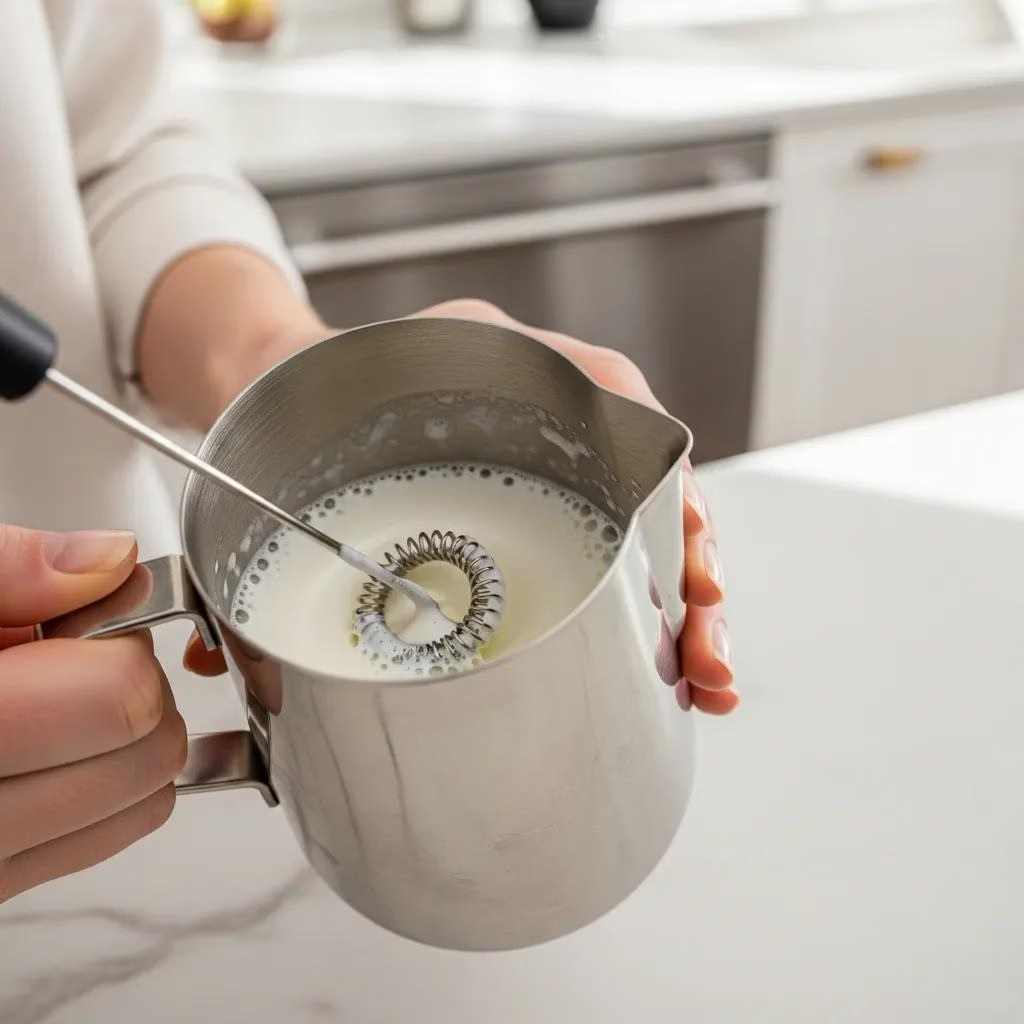
You can get good microfoam and silky textured milk without a powerful steam boiler by adapting technique and using simple tools. The essentials are controlling aeration time, wand position, and milk temperature so you create small, glossy bubbles instead of big, dry foam. If the wand is weak, stretch the milk slowly at the surface, then submerge and whirl to integrate. Alternatives like a handheld frother, French press, or even jar-shaking produce usable texture for lattes and cappuccinos and expand your drink options when steam power is limited. The subsections below walk through steaming technique for low-power wands and compare milk choices for predictable foam behavior.
Intro list: Reliable alternative frothing methods when your machine’s steam wand is weak or absent.
- Handheld electric milk frother — quick way to build dense microfoam.
- French press — pump and aerate milk, then swirl to smooth the texture.
- Heat milk gently and shake it in a sealed jar for simple cappuccino-style foam.
Summary: These low-cost methods are repeatable and let you create silky textured milk even without a strong steam source; next is a step-by-step manual steaming sequence for a low-power wand.
How Can You Froth Milk Using Budget Espresso Machines?
For a weak steam wand, use a four-step routine: purge and place the tip just below the surface for initial aeration, introduce air until you hear a soft hiss, lower the pitcher so the tip is submerged and whirl to create velvety microfoam, and stop heating at 55–65°C (130–150°F) to keep sweetness. Look for a glossy sheen and tiny bubbles—texture should resemble wet paint. If the steam can’t aerate, froth with an electric whisk or French press and fold the milk into the espresso. Don’t overheat: milk loses sweetness and forms large, brittle bubbles past the target range—use a thermometer or stop when the pitcher gets too hot to hold.
Which Milk Types and Frothing Methods Enhance Espresso Taste?
Whole milk is easiest to texture—the balance of fat and protein creates stable, creamy microfoam and adds sweetness. Barista-style plant milks (oat or almond labeled “barista”) work best among non-dairy options because they contain stabilizers that mimic dairy behavior; skim milk froths easily but yields a thinner body. For alternative milks, chill and shake cartons before heating to improve texture, and be prepared for larger bubbles that need extra swirling to integrate. Across all milk types, aim for 55–65°C (130–150°F) to preserve natural sweetness; overheating flattens mouthfeel.
How to Maintain and Troubleshoot Your Cheap Espresso Machine for Best Results
Routine maintenance keeps a budget machine predictable: daily rinses and wipe-downs, weekly portafilter and basket cleaning, and descaling on a schedule matched to your water hardness preserve flow and steam power. Simple daily tasks—flush the group head, wipe the steam wand after each use, and empty the drip tray—prevent common taste and performance problems. Monthly checks of gaskets, shower screens, and the water reservoir reduce leaks and pressure issues. When symptoms appear—slow flow, weak steam, or bitter/sour shots—use a quick issue → likely cause → fast fix approach to restore brewing. The troubleshooting table below is a practical quick-reference you can use at the machine.
Intro to troubleshooting table: Use this diagnostic grid to spot common problems fast and apply practical fixes that don’t usually require pro service.
Key insight: Many common issues on budget machines have straightforward maintenance fixes—systematic checks save you unnecessary part swaps.
Daily and weekly cleaning checklist (intro): A short routine to prevent most taste and mechanical problems.
- Daily: Flush the group head, rinse the portafilter and baskets, and wipe the steam wand after each use.
- Weekly: Soak portafilter and baskets in a detergent solution; clean the drip tray and water reservoir.
- Monthly: Inspect and clean the shower screen and group gasket; descale if your water hardness requires it.
Summary: Regular, simple maintenance improves shot consistency and steam performance on budget machines—stick to the routine and you’ll avoid many common faults.
What Are Simple Cleaning Tips for Budget Espresso Machines?
Cleaning removes coffee oils and mineral deposits that can change taste and flow. Do daily rinses, weekly basket soaks, and periodic group-head cleaning. If your machine can’t be backflushed, run blind-basket rinses and remove the shower screen to clear oils and grounds; inspect seals and gaskets monthly to prevent leaks that affect pressure. Steam wand hygiene is crucial—wipe it after use, purge before and after steaming, and clean the tip with a damp cloth to avoid blocked vents. Keep the water reservoir clean and use a basic cartridge filter to reduce sediment and scale buildup. These simple steps keep extraction steady and reduce the chance of bigger repairs.
How to Fix Common Issues When Brewing Espresso with Cheap Machines?
Use a methodical approach: observe the symptom, isolate one variable, and apply a focused fix. For slow flow, check grind and distribution first, then clean the shower screen and portafilter. For weak steam, descale and verify the boiler is cycling heat correctly. For bitter or sour shots, adjust grind and use flush-and-wait temperature control. Keep a small maintenance kit (soft brushes, spare gaskets, basic descaler) so you can act quickly and limit downtime. Track which fixes helped on which day—this log helps you learn the machine’s behavior and spot recurring issues sooner.
Wrapping up practical guidance: try these experiments and share the results—on JavaJim I publish visual guides and reader summaries that show how small technique changes lead to big improvements. Apply the steps, iterate patiently, and you’ll be surprised how much a modest machine can deliver with careful technique and routine care.
Frequently Asked Questions
What is the best way to clean a budget espresso machine?
Keep it simple and regular. Daily: flush the group head, rinse the portafilter and baskets, and wipe the steam wand after each use. Weekly: soak metal baskets and the portafilter in a detergent solution, and clean the drip tray and reservoir. Monthly: inspect and clean the shower screen and group gasket, and descale according to your water hardness. Regular cleaning preserves flavor and extends the machine’s life.
How can I improve the taste of espresso from a budget machine?
Focus on the variables you control: grind size, beans, and water. Use fresh, medium-roasted beans for balance, adjust grind to hit the right extraction window, and filter your water to avoid off-flavors. Small, systematic changes—one at a time—usually yield the biggest improvements.
What are the signs that my espresso machine needs maintenance?
Watch for slow or no flow, weak steam, inconsistent shots, or unusual noises. Bitter or sour shots may point to extraction or temperature issues. Leaks or reduced steam pressure usually indicate it’s time for a deeper inspection or descaling.
Can I use any type of coffee beans in a budget espresso machine?
You can use any beans, but some work better. Medium-roasted blends are forgiving and consistent on entry-level gear. Very dark roasts can taste harsh, and bright single-origins may expose extraction shortcomings. Freshness matters more than origin—grind just before brewing.
How often should I descale my budget espresso machine?
Descale based on your water hardness: monthly for very hard water, quarterly for soft-to-moderate. Regular descaling prevents scale build-up that reduces boiler efficiency and steam power. Always follow your machine maker’s guidance for products and procedure.
What alternative methods can I use to froth milk without a steam wand?
If the steam wand is weak or absent, try a handheld frother for dense microfoam, a French press to aerate and smooth milk, or heat milk and shake it in a sealed jar for quick cappuccino-style foam. These options deliver good texture without expensive equipment.
How can I troubleshoot common espresso brewing issues?
Use a step-by-step approach: for slow flow, check grind and distribution, then clean the shower screen; for weak steam, descale and check boiler cycles; for off flavors, adjust grind and control temperature with flushing and timing. Keep a small toolkit and a log of fixes to track what works.
Conclusion
Great espresso from a budget machine is achievable when you focus on grind, water, and consistent maintenance. Small, deliberate changes and a little practice deliver big taste improvements. Embrace the experimentation—practice, record your results, and refine technique—and you’ll get excellent shots without overspending. For more tips, videos, and reader-submitted results, search for JavaJim on different social media platforms.