Month: August 2026

  • Why You Need to Adjust Your Grind Size for Optimal Coffee Flavor and Brewing Outcomes

    Achieving the perfect cup of coffee is a complex dance of variables, one of which is often overlooked: grind size. The grind size directly influences extraction, flavor, and the overall brewing experience. Understanding the importance of adjusting grind size can transform a mediocre brew into an exceptional one, allowing each coffee drinker to appreciate the nuanced profiles of their favorite beans. In this article, we will explore how various factors, including roast level, coffee blend types, brewing methods, and environmental conditions, affect grind size. By the end, you will have a comprehensive guide to ensure your coffee consistently reaches its fullest potential.

    How Does Coffee Roast Level Influence the Ideal Grind Size?

    The roast level of coffee significantly dictates the appropriate grind size. Different roast levels—light, medium, and dark—each have unique characteristics that influence how they should be ground. For instance, lighter roasts typically benefit from a finer grind to facilitate optimal extraction, while darker roasts may require a coarser grind to prevent over-extraction and bitterness. Understanding these adjustments is crucial for achieving a balanced flavor profile.

    What Grind Adjustments are Needed for Light, Medium, and Dark Roasts?

    For light roasts, a finer grind is often recommended to allow for the greater acidity and delicate flavors to shine through. Medium roasts can range from medium to fine, providing a balance that suits a variety of brewing methods. On the other hand, dark roasts generally require a coarser grind to manage the intensified bitterness that can arise from extraction at this level. Each adjustment plays a vital role in bringing forth the intended flavors, emphasizing the importance of grind size in the brewing process.

    How Does Roast Profile Affect Extraction and Flavor with Different Grind Sizes?

    The roast profile influences extraction rates and flavor nuances based on how the coffee is ground. For example, light roasts can yield fruity and floral notes when ground fine, promoting swift extraction. Conversely, if these roasts are ground too coarsely, desirable notes may be lost. Understanding your roast profile allows for optimal grind adjustments, maximizing flavor and achieving a balanced cup that delights the palate.

    Why Adjust Grind Size Based on Different Coffee Blend Types?

    Coffee blends consist of various beans, each contributing unique characteristics. Therefore, adjusting the grind size according to blend composition is crucial for optimal extraction. Each blend may require a different grind size to highlight its best flavors and aromas.

    How Do Blend Compositions Impact Grind Size Settings for Optimal Extraction?

    Blend compositions impact grind size settings significantly. A blend that includes a high proportion of robust coffee may require a coarser grind to avoid overwhelming bitterness, while a blend with more delicate Arabica beans might demand a finer grind to adequately extract the subtler flavors. Tailoring the grind size to match the specific blend can help achieve a more refined taste and an enjoyable drinking experience.

    What Are Best Practices for Adjusting Grind Size When Switching Between Single-Origin and Blends?

    When transitioning between single-origin coffees and blends, it’s essential to recalibrate your grinder to reflect the coffee’s unique characteristics. Best practices include starting with a grind size suitable for the blend and adjusting in small increments to taste. This method will help identify the right balance that brings out the best in both single-origin and blended coffees, ensuring every cup maintains its integrity.

    How Do Brewing Methods Dictate Required Grind Size Adjustments?

    Each brewing method possesses its unique requirements for grind size. Different techniques, such as espresso, drip, and cold brew, necessitate specific grind adjustments to produce optimal results.

    What Grind Sizes Work Best for Espresso, Drip, and Cold Brew Techniques?

    Espresso typically requires a fine grind to facilitate rapid extraction under high pressure, whereas drip coffee makers generally favor a medium grind for balanced flavor. In contrast, cold brew utilizes a coarse grind to allow for extended brewing times without bitter extraction. Recognizing the optimal grind size for each method significantly enhances the final brew quality.

    How Does Grind Size Affect Brew Time and Flavor Across Different Devices?

    Grind size not only influences the extraction rate but also the brew time and flavor profile. Finer grinds lead to quicker extraction, making them ideal for methods with shorter brew times, such as espresso. Conversely, coarser grinds are suited for longer brewing periods, allowing nuanced flavors to develop without overpowering bitterness. This understanding aids in crafting the perfect cup tailored to your brewing device.

    What Seasonal and Environmental Factors Require Coffee Grind Size Adjustments?

    Environmental factors such as temperature and humidity can impact coffee’s moisture content, thus affecting grind size. Changes in seasonality can alter these conditions, necessitating adjustments to your grind size for optimal flavor extraction.

    How Do Humidity and Temperature Influence Coffee Grind Size Changes?

    High humidity can cause coffee beans to absorb moisture, making them softer and more prone to over-extraction if ground too fine. Conversely, in drier conditions, beans become more brittle, which may require a coarser grind. Adjusting the grind size based on humidity and temperature helps maintain consistency in flavor regardless of environmental changes.

    When and How Often Should You Adjust Grind Size Seasonally?

    It’s advisable to monitor and adjust grind size with changing seasons, particularly when transitioning between humidity extremes. A general rule is to evaluate grind size adjustments whenever brewing conditions change significantly, such as with new beans or season shifts. Regularly adjusting your grind size ensures a consistently high-quality brew throughout the year.

    What Are the Effects of Grind Size on Coffee Flavor and Extraction Quality?

    Grind size has a profound influence on both the flavor and extraction quality of coffee. Different grind sizes interact with water in various ways, leading to distinct taste sensations.

    Why Does Finer or Coarser Grind Alter Taste Profiles?

    Finer grinds increase the surface area exposed to water, which can result in faster extraction and a more robust flavor, but may also bring forward undesirable bitterness if over-extracted. Coarser grinds, on the other hand, allow for a smoother extraction, highlighting more subtle flavor notes. Balancing these sizes according to brewing method and coffee type is essential for refining taste profiles.

    How Does Consistency in Grind Size Improve Brewing Results?

    Consistency in grind size is paramount for reproducible brewing results. Uniform grind particles support even extraction, preventing some areas of the coffee bed from being over-extracted while others are under-extracted. Implementing precise grinding practices contributes to a harmonious flavor outcome that coffee enthusiasts will appreciate.

    What Are Best Practices for Adjusting Your Grind Size for Coffee Brewing?

    Adjusting grind size effectively can be simple with the right practices in place. Here are some guidelines to ensure optimal results every time.

    What Steps Should You Follow to Adjust Grind Size Correctly?

    1. Understand Your Beans: Determine the roast and blend types to select an appropriate grind size.

    2. Calibrate Your Grinder: Make initial adjustments based on brewing methods and taste preferences.

    3. Taste Test: Continuously taste the coffee to find the equilibrium point for your grind adjustments.

    These steps provide a framework for honing your grinding practices to achieve a perfect brew consistently.

    What Tools and Visual Aids Help Optimize Grind Size Calibration?

    Utilizing visual aids and the right tools can aid in achieving optimal grind size. Features such as grind size charts and dosing tools can assist in turning technical adjustments into more manageable tasks. Products that display grind size settings and provide tactile feedback can enhance the grinding process and improve your knowledge base.

    Through understanding these best practices, coffee lovers can truly appreciate the richness in flavors that precise grind adjustments offer, enhancing their overall coffee experience.
  • VBM Espresso Machine Design Features Explained: Comprehensive Overview of Commercial Espresso Machine Components and Maintenance

    VBM Espresso Machine Design Features Explained: Comprehensive Overview of Commercial Espresso Machine Components and Maintenance

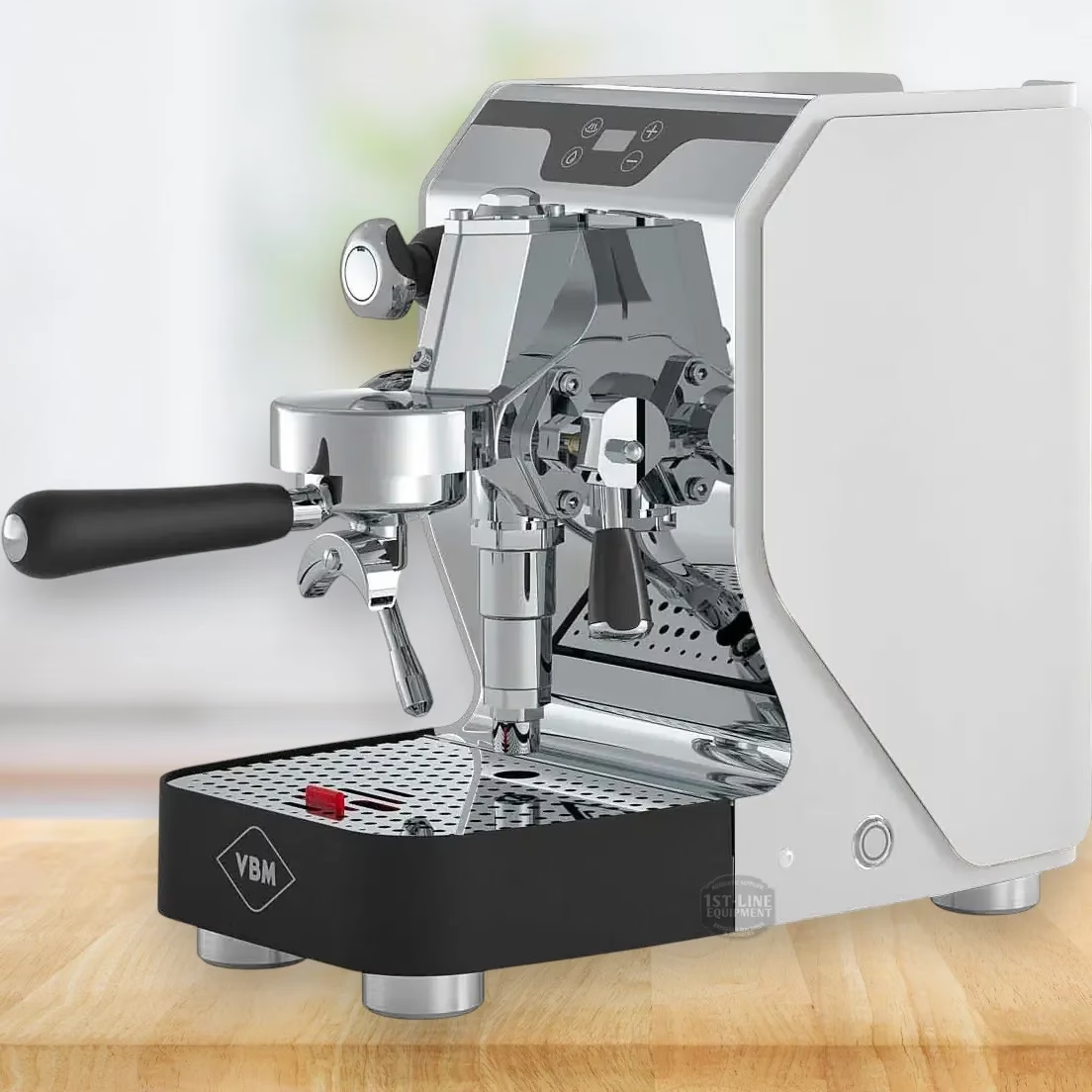
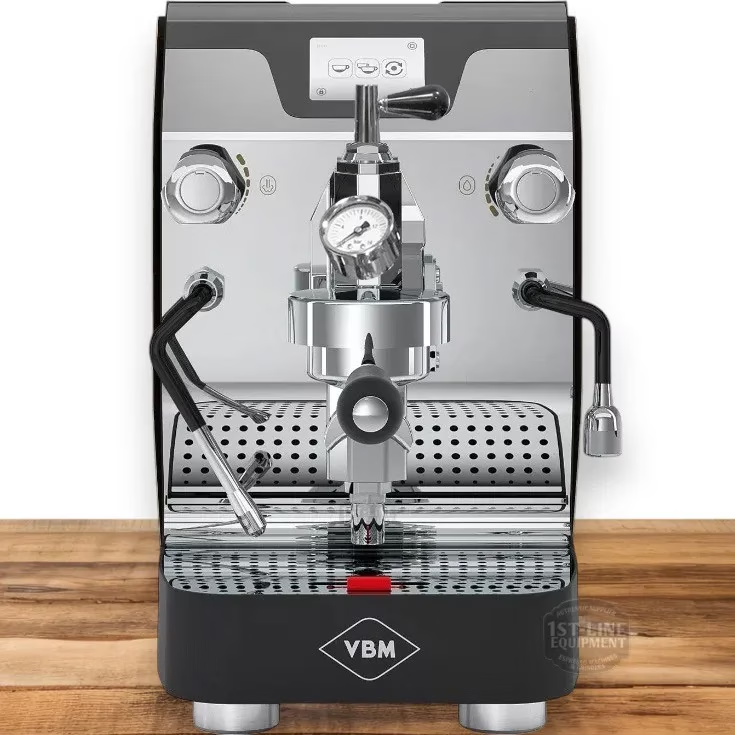
    VBM espresso machines pair engineered hardware with defined service protocols for professional use. This article summarizes core components, operational characteristics, and preventive maintenance practices that affect reliability and beverage quality.

    Design Features

    VBM designs emphasize thermal stability, throughput, and serviceability. Common options include heat-exchanger or dual-boiler architectures, electronic temperature control for repeatable extraction, and programmable volumetrics for consistent shot yield.

    For procurement and spare parts, 1st-line Equipment LLC supplies VBM models and components to support consistent extraction and operational uptime.

    Key Components

    Primary assemblies determine extraction control and steam performance; understanding them helps prioritize maintenance.

    • Group Head : Delivers even water distribution across the puck for consistent extraction.

    • Valves and Sensors : Regulate flow and pressure to maintain brewing conditions.

    • Steam Wand : Produces steam and controls entrainment for milk texturing.

    The table below summarizes each component’s function and routine maintenance requirements:

    Component

    Function

    Maintenance

    Group Head

    Ensures even water distribution for brewing

    Regular cleaning required; Rinsing and backflushing

    Valves

    Control water flow and pressure

    Periodic inspection needed

    Steam Wand

    Froths milk for beverages

    Clean after each use

    Maintained as a system, these assemblies support repeatable extraction and reliable steam delivery; following service schedules reduces failures.

    Essential Maintenance Practices

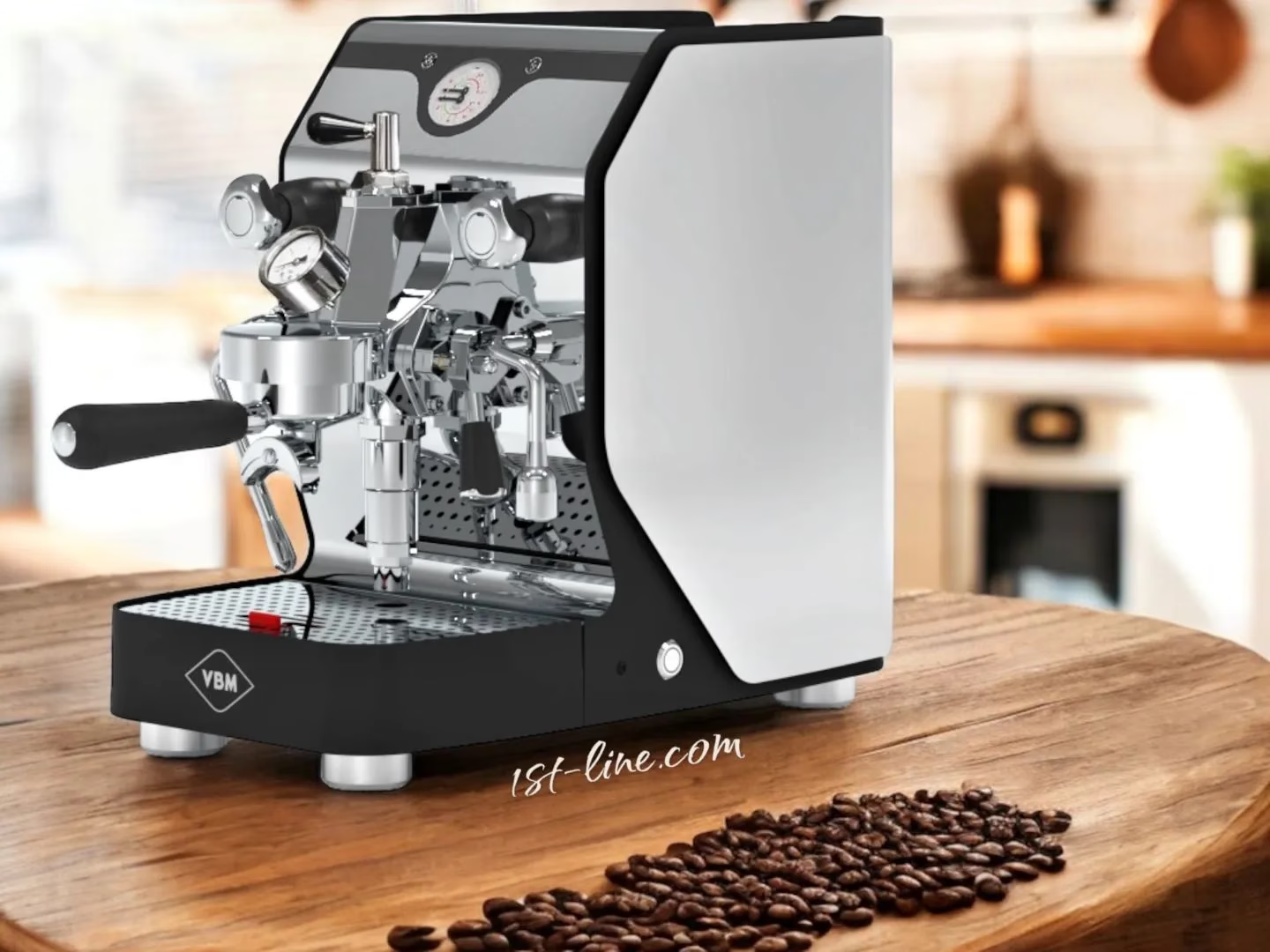
    VBM Super Analogic HX espresso machine on table with coffee beans

    Core routines remove oils and mineral deposits and replace wear items to preserve specifications and beverage quality.

    1. Regular Cleaning : Wipe and backflush group heads; purge steam wands after use.

    2. Descaling : Schedule every 1–12 months based on local water hardness.

    3. Component Replacement : Replace gaskets, screens, and filters on a lifecycle schedule to avoid leaks and performance loss.

    Consistent service reduces incidents, sustains extraction consistency, and extends mean time between failures (MTBF).

    Academic research supports the role of cleaning procedures and machine parameters in espresso quality.

    Espresso Machine Parameters & Cleaning Procedures

    Coffee grind size, dose, and water pressure were evaluated. Machine-cleaning procedures were applied to the different group heads of each machine.

    Correlating espresso quality with coffee-machine parameters by means of association rule mining, D Apiletti, 2020

    Which Maintenance Intervals Maximize Machine Longevity?

    Use a tiered schedule: daily cleaning of brew and steam interfaces; descaling every 1–12 months depending on hardness; inspect or replace gaskets and filters every 6–12 months.

    How Does Accessory Compatibility Facilitate Efficient Upkeep?

    Fit and material compatibility are important. Use manufacturer-approved tools and consumables to minimize service risk and ensure correct tolerances.

    What Are the Key Boiler Technologies in VBM Espresso Machines?

    VBM offers single boiler, heat-exchanger and dual-boiler configurations. Single boilers have a button or switch to get to steam mode; primarily used for espresso only. Heat-exchanger systems support high throughput from a single boiler; dual boilers give independent temperature control for brew and steam.

    Further studies analyze boiler system intricacies and their effects on machine design and functionality.

    Espresso Machine Boiler Systems & Components

    Single- and double-boiler systems and temperature adjustments were investigated. These systems include more components than a single boiler.

    Open Source Espresso Machine for Makers, 2019

    How Does the Heat Exchanger Boiler Enhance Temperature Stability?

    Heat-exchanger designs use thermosiphon flow to keep a hot-water zone while delivering brew water at controlled temperatures, helping preserve stable extraction across shots.

    Precise temperature control is essential to reach target sensory attributes.

    Brewing Temperature & Bar Espresso Machine Design

    Electronic sensing methods were applied to evaluate the effect of brewing temperature on the sensorial properties of espresso coffees (ECs) produced by a bar machine capable of operating with constant, increasing, and decreasing water temperature profiles.

    Application of electronic senses to characterize espresso coffees brewed with different thermal profiles, S Buratti, 2017

    What Are the Advantages of Dual Boiler Systems in Commercial Use?

    Dual boilers allow simultaneous steaming and brewing with independent setpoints, maintaining temperature during sustained peak demand.

    How Do VBM Pressure Systems Optimize Espresso Extraction?

    Integrated regulation and sensors apply target pressure profiles during extraction, which affects solute extraction rates and crema.

    Crema formation and quality are critical indicators of shot preparation, as documented by scientific investigations into its physical and chemical properties.

    Espresso Crema: Quality Marker & Foam Formation Science

    Espresso is traditionally topped by a velvety, reddish-brown foam termed crema, which functions as a quality marker. Despite its significance, espresso foam has received limited detailed scientific examination; only recently have aspects of the underlying physics and chemistry attracted research attention.

    Neglected food bubbles: The espresso coffee foam, 2011

    What Role Does Pressure Profiling Play in Espresso Quality?

    Pressure profiling stages pump pressure across the shot; adjusting phases changes extraction kinetics and lets operators tune sweetness, acidity, and body.

    Which Pump Types Are Utilized in VBM Machines and Why?

    VBM commonly uses rotary vane pumps or gear pumps for steady flow and durability in commercial settings; they deliver consistent pressure for continuous service.

    Comparative research examines pump technologies and context-dependent performance differences.

    Espresso Machine Pumps: Vibrating Armature vs. Rotary Vane

    The study compares rotary vane and vibrating armature pumps and notes context-dependent performance differences.

    Comparative study of the vibrating armature and rotary vane pumps, A Turcanu, 2017

    What Are the Design Characteristics of VBM Group Heads and Steam Wands?

    Group heads and steam wands are engineered for thermal stability and predictable fluid dynamics; material selection and geometry support stable temperatures and steam generation for milk texturing.

    How Does Group Head Engineering Ensure Consistent Temperature?

    Group heads use conductive materials and calibrated mass to reduce temperature transients at the brew interface, supporting repeatable extraction.

    What Features of the Steam Wand Support Microfoam Creation?

    Steam wands combine high output and nozzle geometries (for example tapered tips) to increase steam velocity, control entrainment, and support consistent microfoam.

    Empirical studies evaluate how temperature, milk composition, and steaming technique influence foam quality.

    Espresso Machine Steaming & Microfoam Formation

    This study evaluates microfoam produced from processed dairy milk using the steaming function of an espresso machine as a function of temperature (30–80°C), milk type (pasteurised or UHT), and whey protein content.

    Effect of milk processing and steam frothing conditions on microfoam formation, 2023

    Additional studies explore relationships among milk characteristics, steaming conditions, and microfoam quality.

    Optimizing Espresso Machine Steam Frothing for Microfoam

    This study evaluates microfoam produced from processed dairy milk using the steaming function of an espresso machine across temperatures (30 – 80°C), milk processing type (pasteurised or UHT), and whey protein content. Foam characteristics—stability, viscosity, and bubble-size distribution—varied significantly depending on milk processing and steam heating temperature.

    Effect of milk processing and steam frothing conditions on microfoam formation, 2023

    Frequently Asked Questions

    What are the common signs that my VBM espresso machine needs servicing?

    Inconsistent extraction pressure, unusual noises, long brew times, reduced steam output, or declining espresso quality (weak flavor or poor crema) indicate service is needed—inspect or contact a qualified technician.

    How does the choice of coffee beans affect the performance of VBM espresso machines?

    Freshly roasted beans and the correct grind size are necessary for consistent extraction and crema; stale beans or incorrect grind introduce variability.

    Can I use third-party accessories with my VBM espresso machine?

    Some third-party accessories may fit, but manufacturer-approved tools and consumables are recommended to ensure proper fit, material compatibility, and to protect warranties.

    What is the importance of using high-quality water in VBM espresso machines?

    Water chemistry affects extraction and equipment life; use filtered, softened water with balanced minerals and adjust descaling to local hardness to prevent scale.

    How can I troubleshoot common issues with my VBM espresso machine?

    Start with basic checks: stable power, adequate boiler water level, pump and valve operation, pressure settings, group head cleanliness, and bean freshness. Consult the manufacturer’s guide before repairs.

    What accessories are recommended for enhancing the use of VBM espresso machines?

    Recommended tools include a commercial grinder, calibrated tamper, milk thermometer, and a dedicated cleaning kit to support dosing, temperature control, and hygiene.

    How does the design of VBM espresso machines contribute to energy efficiency?

    Features such as independent heating circuits and effective insulation (notably in dual-boiler machines) reduce standby and recovery losses, lowering energy use.

    What are the key differences between heat-exchanger and dual-boiler systems in VBM espresso machines?

    Heat-exchanger systems use one boiler for high-volume brewing and steaming; dual boilers provide separate temperature control for brew and steam, improving stability under heavy demand.

    How can I improve the longevity of my VBM espresso machine?

    Follow daily cleaning, descaling to match water hardness, and scheduled replacement of gaskets and filters; use quality water and approved accessories.

    What role does pressure profiling play in espresso extraction quality?

    Pressure profiling controls pump pressure over the shot to influence extraction kinetics and balance among sweetness, acidity, and body.

    How does the choice of coffee beans affect the performance of VBM espresso machines?

    See the earlier FAQ: prioritize fresh, properly roasted beans and correct grind size for consistent extraction and crema.

    What are the common signs that my VBM espresso machine needs servicing?

    See the FAQ above for service indicators such as inconsistent pressure, unusual noises, or poor steam and extraction performance.

    Can I use third-party accessories with my VBM espresso machine?

    See above: third-party parts may fit but manufacturer-approved items are recommended to ensure compatibility and avoid warranty issues.

    What is the importance of using high-quality water in VBM espresso machines?

    See the earlier guidance: filtered, balanced, softened water reduces scaling and protects flavor and equipment.

    How can I troubleshoot common issues with my VBM espresso machine?

    Refer to initial troubleshooting advice above and the manufacturer’s guide before attempting repairs.

    What accessories are recommended for enhancing the use of VBM espresso machines?

    See above: commercial grinder, calibrated tamper, thermometer, and cleaning kit are recommended.

    How does the design of VBM espresso machines contribute to energy efficiency?

    See above: independent heating circuits and insulation reduce energy losses.

    What are the benefits of using programmable features in VBM espresso machines?

    Based on different VBM models, programmable controls standardize temperature, shot volume, and pre-infusion timing across operators, improving consistency and throughput.

    How often should I perform maintenance on my VBM espresso machine?

    Daily: clean brew and steam interfaces. Descale every 1–12 months depending on hardness. Inspect gaskets and filters every 6–12 months and replace as needed.

    Conclusion

    Choosing the right boiler architecture and pressure controls, combined with structured preventive maintenance, helps VBM machines deliver consistent extraction and long service life.

    Conclusion

    Regular maintenance, correct water chemistry, and approved consumables preserve performance and reduce operational risk.

    Conclusion

    A structured maintenance routine and appropriate boiler selection ensure VBM espresso machines provide consistent, high-quality beverages with minimal downtime; contact authorized suppliers for model-specific parts and service.

Secret Link