
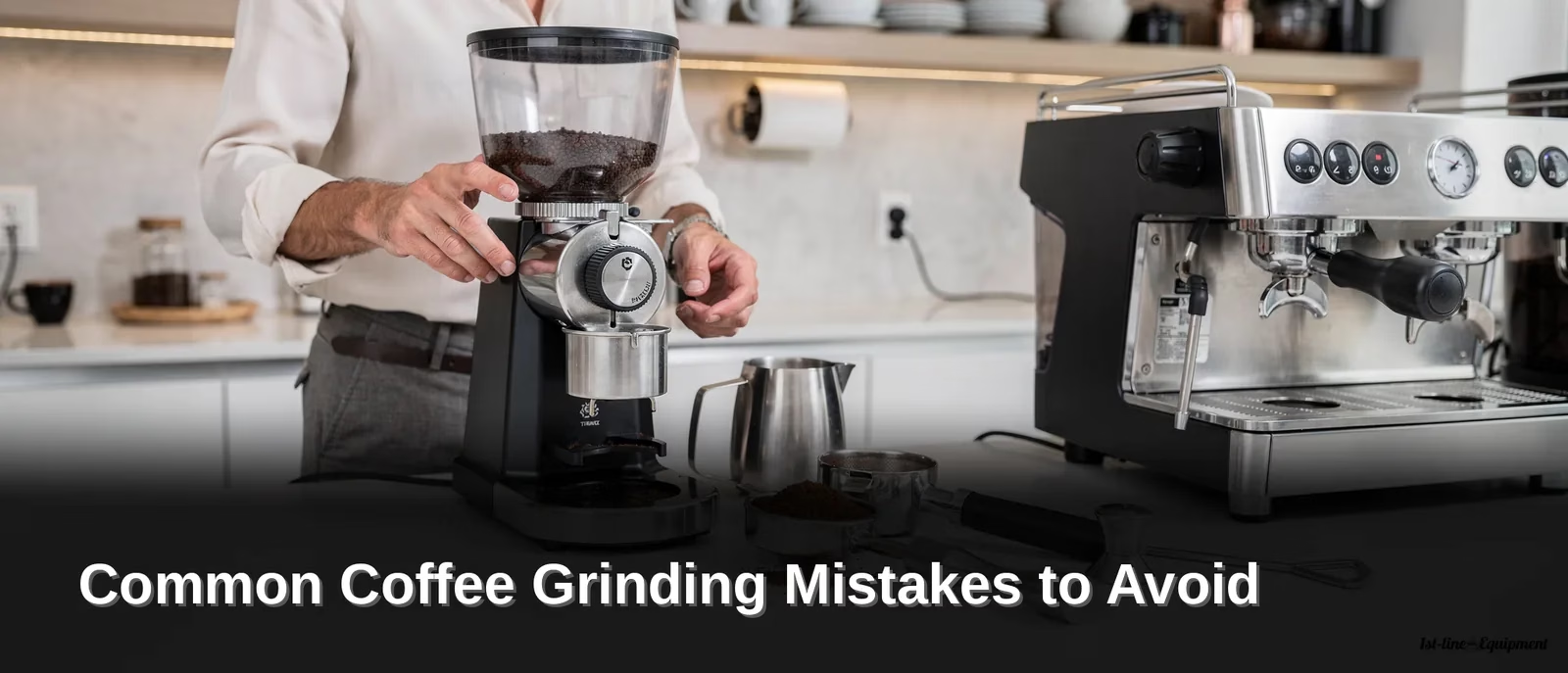
Grind inconsistency ranks among the top errors home brewers make with drip, pour-over, and French press coffee. Uneven particle sizes cause over-extraction and bitterness in some grounds while under-extracting others, muddying flavor. Matching grind coarseness to brew method, medium for drip, coarse for French press, and using fresh, properly stored beans corrects most extraction problems immediately.
Key Takeaways
Grinding coffee represents a crucial extraction stage that professionals often underestimate in the brewing process.
Coarse and fine grinds serve different applications based on contact time with water during brewing.
Poor grinding ruins even the finest espresso machines and premium coffee blends consistently.
The 5 most common grinding mistakes are fixable habits that improve home coffee quality immediately.
Why Does Grinding Ruin Great Coffee Beans?
Extraction depends on grind consistency more than most home brewers realize. Coffee professionals with years of experience still underestimate this stage, treating it as an afterthought rather than the foundation of flavor. A premium bean blend loses its character fast when the grind falls short. Even a top-tier espresso setup may struggle to rescue a cup ruined at the grinder. For drip, pour-over, and French press drinkers, the stakes are just as high as they are for espresso.
Common grinding mistakes show up in several forms:
Grinding beans too far ahead of brew time, letting aroma escape
Using a blade grinder that chops unevenly instead of a burr coffee grinder
Ignoring particle consistency, which produces both over- and under-extracted grounds in the same batch
Skipping regular cleaning, allowing stale oils to taint fresh grounds
Can a bad grind really ruin a good cup of coffee?
Yes. Uneven particles extract at different rates, pulling bitterness from fine dust while leaving larger fragments under-extracted and sour. The result is a muddled cup regardless of bean quality or brewing method used for regular coffee.
Does the type of Coffee Maker matter if the grind is off?
Not much. A drip Coffee Maker, pour-over cone, or French press press can only work with what the grind provides. Mismatched particle size overwhelms the brewing method’s design, producing apartment or harsh results no matter how advanced the equipment is.
1st-line Equipment addresses this weak link directly. The company tests and curates espresso coffee grinders for the specialty coffee trade. Supplies cleaning agents, cleaning tools, and water treatment solutions that keep grind performance consistent over time.
Is Your Grind Size Right for Brewing?
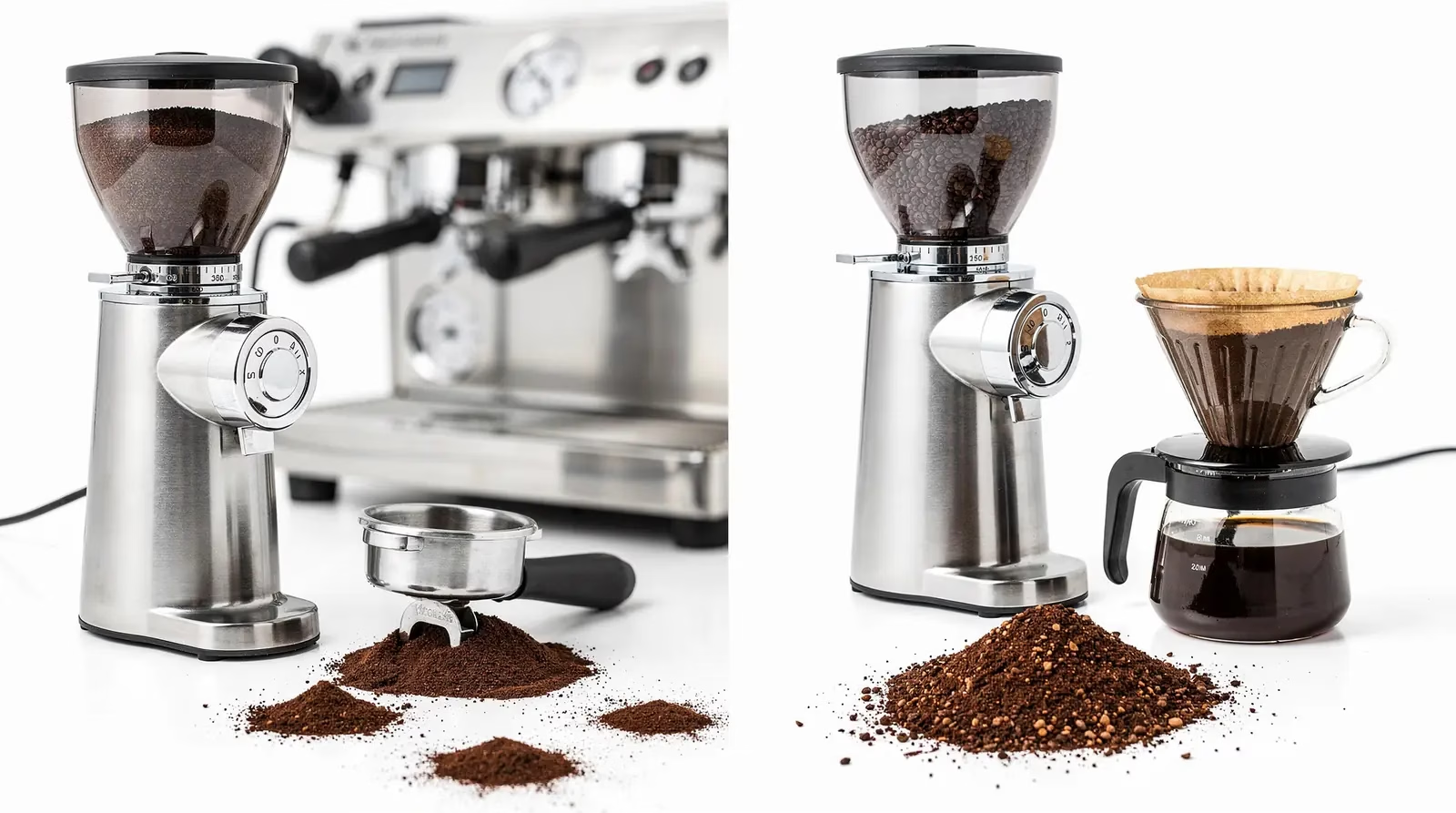
Grind size determines extraction speed, and extraction speed determines flavor. Espresso demands a fine, powdery texture because water passes through in under 30 seconds. Drip and pour-over methods need a coarser, sand-like texture because contact time stretches to several minutes. Mismatched settings rank among the most common grinding mistakes home brewers make. The fix starts with matching grind coarseness to brew method rather than guessing.
Coarseness controls surface area. More surface area means faster extraction; less surface area slows it down. A coffee grinder set too fine for a French press produces over-extracted, bitter sludge. Set too coarse for espresso, the same grinder yields a thin, sour shot with little crema.
What grind size works best for regular coffee at home?
Standard drip brewing and pour-over both call for a medium grind, roughly the texture of coarse sand. This range lets water flow evenly through the grounds without channeling or stalling. Home brewers making regular coffee daily benefit from consistency more than extreme fineness or coarseness.
Selecting the right equipment matters as much as dialing in the setting. 1st-line Equipment offers espresso machines across several categories, including dual boiler, heat exchange, manual/lever, single boiler, thermoblock, super automatic, and commercial grade models, each engineered around a specific grind range. Home brewers who want to verify consistency can also turn to dosing tools and weighing scales, which help confirm that grind output stays uniform shot after shot, cup after cup.
Are You Storing Beans and Grounds Correctly?
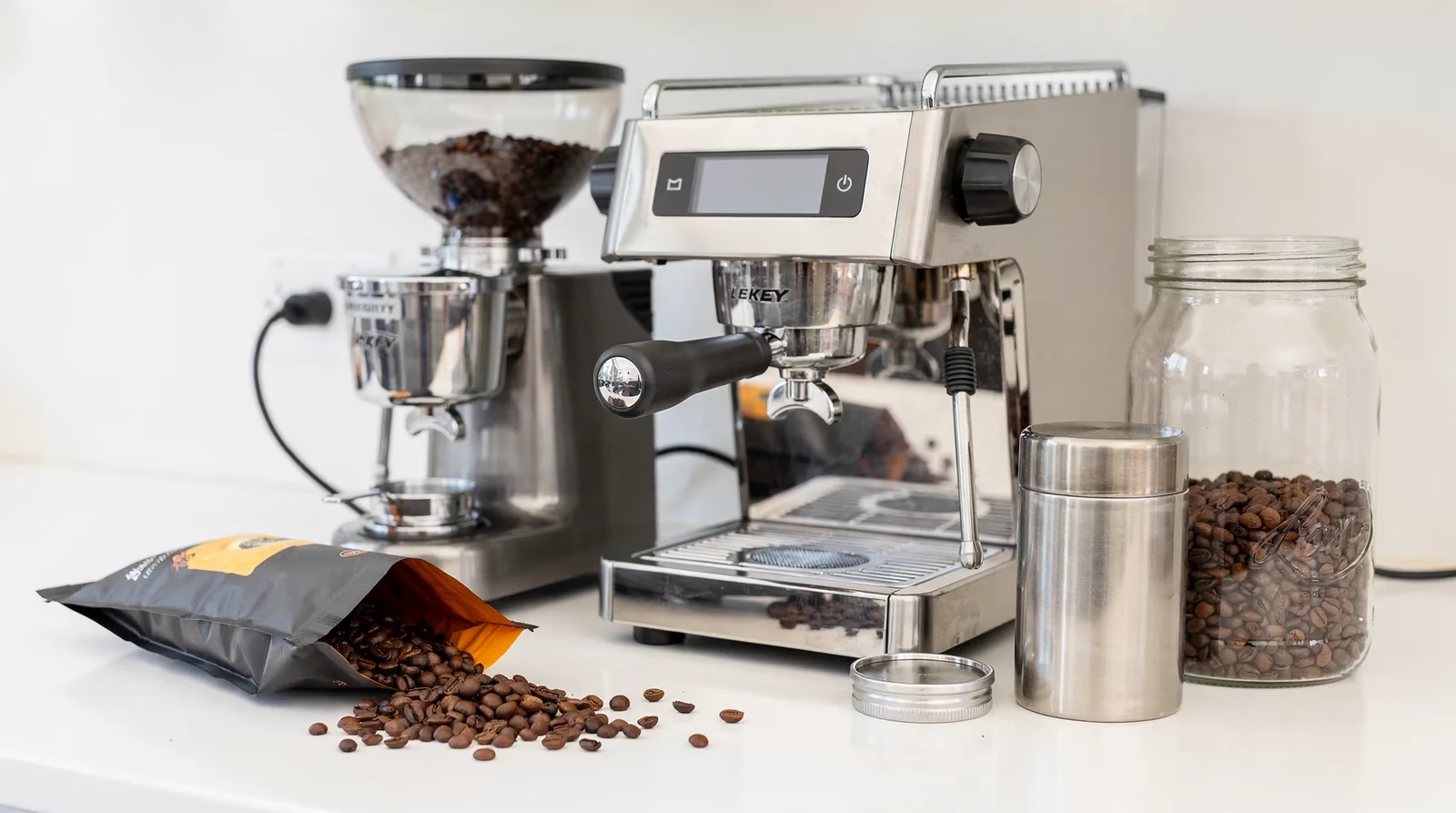
Improper storage ranks among the most damaging grinding mistakes a home coffee drinker can make. Exposure to oxygen, light, and moisture breaks down flavor and aroma within days, sometimes hours, of opening a bag. Beans purchased at real cost deserve better treatment than a shelf next to the stove or a clear container on the counter.
Freshness loss happens quietly. A bag left open near a sunny window loses aromatic compounds long before mold or spoilage becomes visible. By the time bitterness or flatness shows up in the cup, the damage is already done.
What is the best way to store coffee beans at home?
Airtight, opaque containers kept in a cool, dark cabinet preserve flavor far longer than clear jars or original bags. Refrigeration and freezing introduce moisture problems and are best avoided for beans meant to be used within a few weeks. Freezing beans negatively affects the molecular structure of the beans. Buying smaller quantities more often protects against the slow decline that affects large bags sitting half-used for months.
Does grind size affect how fast coffee grounds go stale?
Ground regular coffee loses freshness faster than whole beans because more surface area is exposed to air. Grinding only what a Coffee Maker needs for each brew session limits that exposure and keeps flavor closer to peak.
Better storage habits include coffee storage containers and trays designed to shield beans and grounds from air and light. 1st-line Equipment carries roasted beans and E.S.E. coffee pods, giving home brewers fresher supply options and shorter windows between roast date and cup. Pairing a reliable coffee grinder with proper storage protects the investment already made in quality beans.
Does Your Coffee Grinder Need an Upgrade?
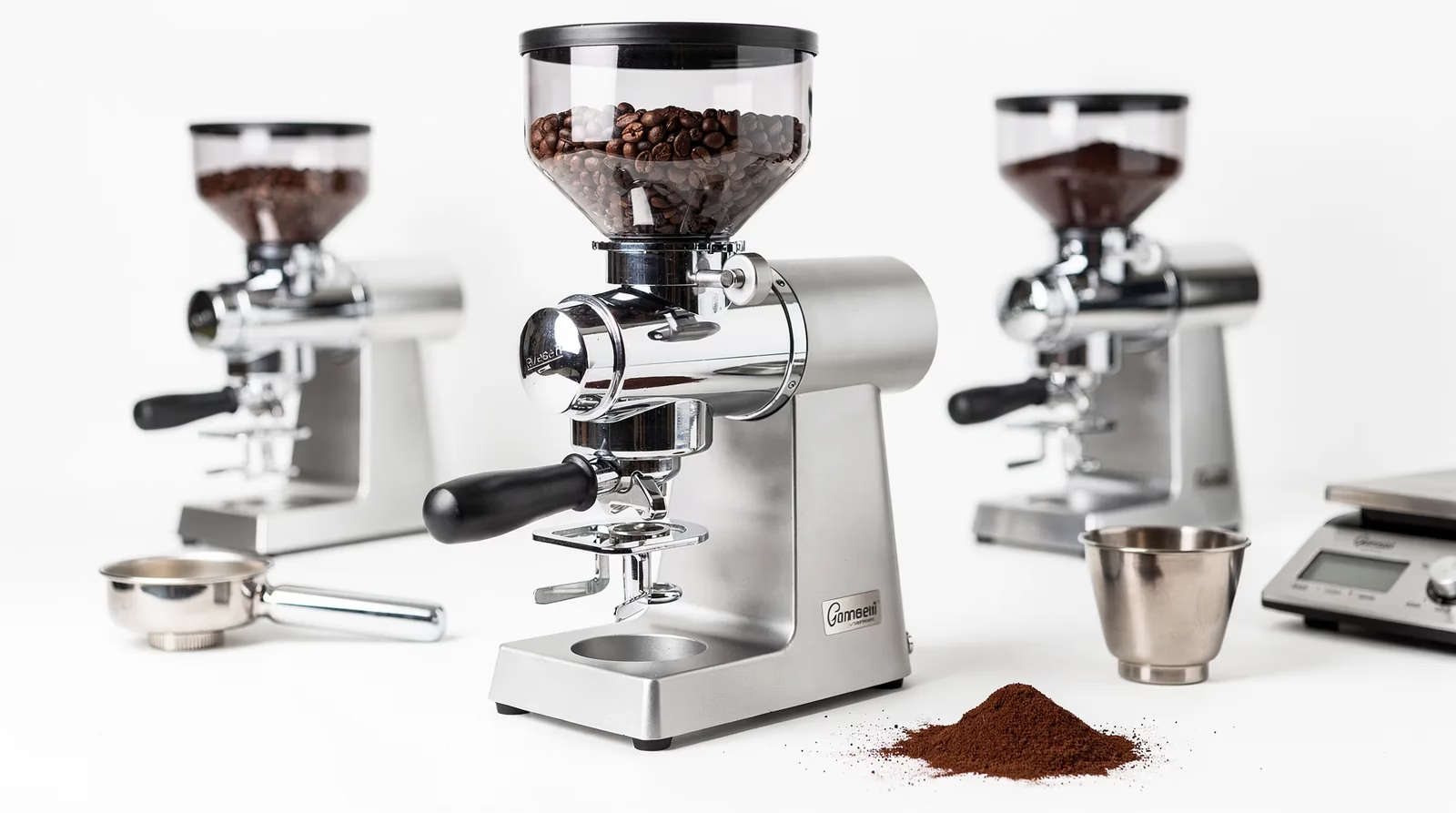
A worn or inconsistent coffee grinder undermines flavor long before water touches the grounds. The grinder is the single tool capable of making or ruining an entire cup, regardless of how good the beans or the Coffee Maker happen to be. Home brewers chasing better drip, pour-over, or French press results often overlook this step entirely.
Uneven particle size is the root of most grinding mistakes. Grounds that vary in size extract at different rates, producing a cup that tastes bitter in one sip and sour in the next. That inconsistency stays hidden until the grinder gets replaced, and the difference in the cup is immediate.
How Do I Know My Grinder Is Holding Back My Coffee?
Several warning signs point to an overdue upgrade:
Grounds look uneven, with a mix of fine dust and larger chunks
Extraction feels harder to control across different brew methods
Flavor swings between bitter and weak, even with the same beans
The grinder struggles to hold a consistent setting over time
A machine showing two or more of these signs is no longer serving regular coffee drinkers well.
1st-line Equipment tests and curates espresso coffee grinders for the specialty coffee business, giving buyers a vetted starting point instead of guesswork. That curation matters most for home brewers who lack the time to compare dozens of models on their own.
Where Can I Find a Better Grinder Without Overpaying?
Budget concerns keep many home brewers stuck with underperforming equipment. 1st-line Equipment offers deals on sales, clearance and overstock items, refurbished equipment, and sidewalk sales, making an upgrade more attainable. Shoppers who prefer hands-on evaluation can visit the company’s Freehold, New Jersey location by appointment before committing to a purchase.
What Habits Fix Coffee Grinding Mistakes for Good?
Consistent habits, not luck, correct grinding mistakes for home brewers. Three routines separate a dialed-in cup from a disappointing one: measuring by weight, cleaning the grinder on a schedule, and matching grind size to the brew method.
Home baristas brewing drip, pour-over, or French press often blame the beans when habit is the real culprit. Grinding remains a crucial, frequently underestimated stage of extraction. Even professionals with years of industry experience still get it wrong. Fixing this starts with the right tools.
A reliable coffee grinder only performs consistently when paired with accurate measurement. 1st-line Equipment sells dosing tools and weighing scales built to help brewers measure and repeat correct grind amounts every time. Guesswork disappears once a scale enters the daily routine.
Cleanliness matters just as much. Stale oils and trapped grounds inside a grinder taint every batch of regular coffee that follows. 1st-line Equipment offers cleaning agents, cleaning tools, and water treatment solutions designed to keep grinders performing at a consistent standard over time.
Does a better Coffee Maker fix bad grinding habits?
No. A high-quality Coffee Maker cannot compensate for inconsistent grind size or a dirty burr set. Extraction quality depends on grinding habits first and brewing equipment second.
Is upgrading equipment worth it for casual home brewers?
Often, yes, without overspending. 1st-line Equipment offers deals through sales, clearance and overstock listings, refurbished equipment, and sidewalk sales. These options give budget-conscious brewers access to better tools while they build improved grinding habits.
Mastering proper grinding technique represents a foundational investment in espresso quality and equipment longevity. By addressing common errors—inconsistent particle size, improper dosing, inadequate maintenance, and grinder selection mismatches—operators establish the technical discipline necessary for reproducible results. The relationship between grinder performance and extraction precision remains non-negotiable. Precision grinding directly determines whether your espresso machine delivers its intended potential. Prioritize grinder maintenance and calibration as essential practices, not optional refinements, to sustain both beverage quality and equipment reliability over time.
FAQ
What causes the most common grinding mistakes at home?
Grinding beans too early, using a blade grinder instead of a burr grinder, ignoring particle consistency, and skipping regular cleaning top the list. These habits produce uneven extraction and stale-tasting grounds.
How does grind size affect drip versus espresso coffee?
Espresso needs a fine, powdery grind since water contacts it for only 20-30 seconds. Drip coffee needs a medium grind for a 4-6 minute brew time. Mismatched coarseness causes bitter or sour, thin results.
How does 1st-line Equipment help fix grinding problems?
1st-line Equipment tests and curates espresso coffee grinders for the specialty coffee trade and supplies cleaning agents, cleaning tools, and water treatment solutions that keep grind performance consistent over time.
Facts
1st-line Equipment, LLC is located in Freehold, NJ, US.
1st-line Equipment, LLC sells espresso machines, including dual boiler, heat exchange, manual/lever, single boiler, thermoblock, super automatic, and commercial grade types.
1st-line Equipment, LLC provides maintenance products like cleaning agents, cleaning tools, and water treatment solutions.
1st-line Equipment, LLC offers support services including online technical support, repair services, and reference diagrams to customers who purchased equipment through 1st-line.
1st-line Equipment, LLC sells accessories such as bases/knockboxes, coffee filters, coffee storage/trays, cups/shot glasses, dosing tools, latte art tools, milk pitchers, scoops/spoons, signage, syrup bottle pumps/racks, tampers/stations, and weighing scales.
1st-line Equipment, LLC sells coffee products, including roasted beans and E.S.E. coffee pods.
1st-line Equipment, LLC offers deals on sales, clearance/overstock items, refurbished equipment, and sidewalk sales.