
How to Create High Ratio Espresso Extractions: Mastering Brew Ratios and Shot Quality
High-ratio espresso combines precise technique and basic espresso science. This guide breaks down brew ratios, shot quality, and practical steps you can use to improve your shots. Many home brewers and baristas miss the right balance of flavor and strength; the methods here help you get a richer, more satisfying result. We’ll define high-ratio shots, show how to calculate and tweak ratios, list necessary equipment, and cover common extraction problems.
Key Takeaways
- High ratio espresso shots use a larger water-to-coffee ratio, resulting in a more concentrated and flavorful espresso.
- Brew ratio defines the relationship between coffee grounds and water volume, crucial for controlling espresso taste and strength.
- Adjusting brew ratios allows baristas to customize espresso flavor profiles from robust to subtle.
- Calculating brew ratios involves measuring coffee dose and shot volume to achieve the desired espresso concentration.
- Quality espresso machines with stable temperature and pressure improve consistency in high ratio espresso extractions.
- Common challenges like over-extraction and under-extraction stem from incorrect grind size or brewing time.
- Troubleshooting extraction issues requires adjusting grind size and extraction time to balance espresso flavor.
- Monitoring extraction time between 25 to 30 seconds helps optimize sensory qualities like aroma, flavor, and body.
What Is a High Ratio Espresso Shot and Why Does It Matter?
A high-ratio espresso shot is defined by the weight or volume of coffee relative to the water used, which produces a distinct concentration and flavor profile. The brew ratio directly shapes extraction yield, aroma, and perceived strength. For anyone refining espresso technique, controlling the ratio is a primary tool to influence taste and balance.
Defining Brew Ratio and Its Role in Espresso Extraction
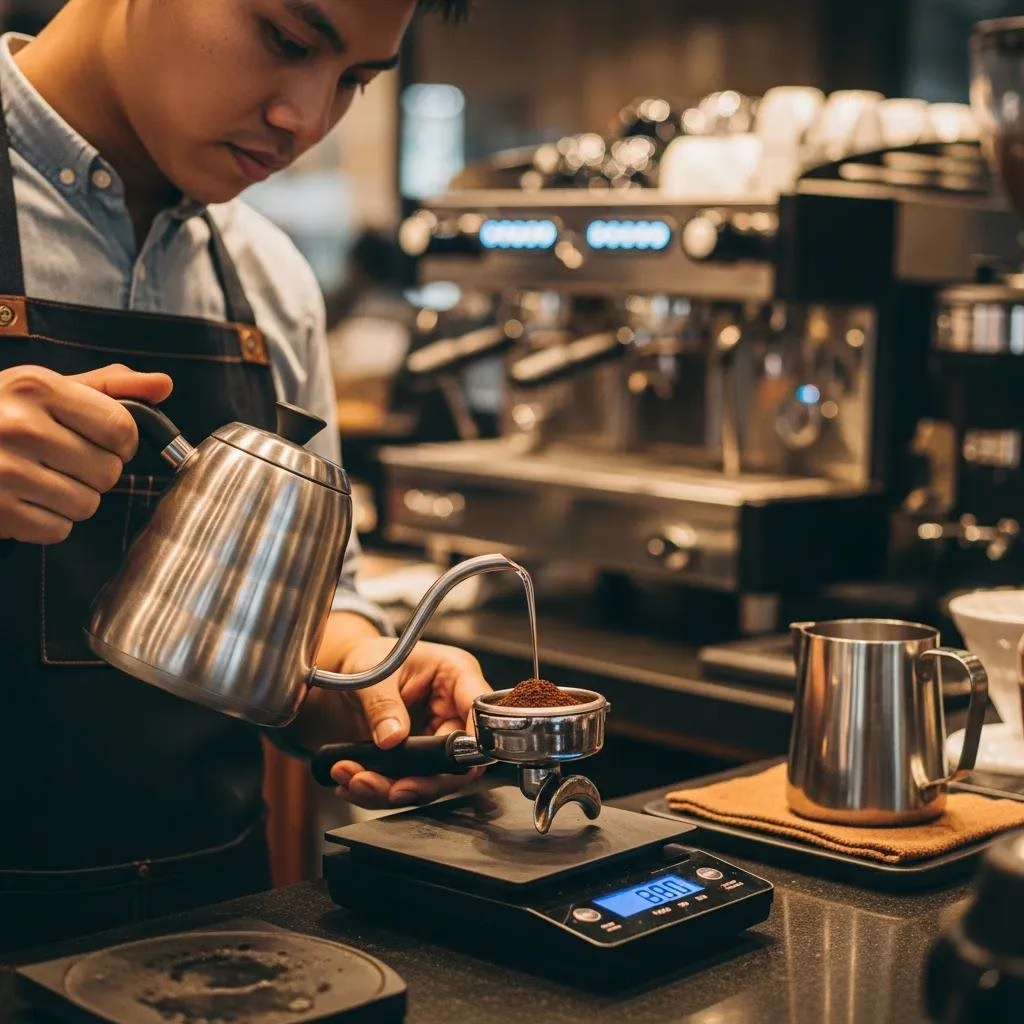
Brew ratio is the relationship between the weight of coffee grounds and the water used. For espresso, a common ratio is 1:2 — one part coffee to two parts water. That ratio affects how compounds dissolve and how flavors are extracted from the grounds. Higher ratios tend to increase intensity; lower ratios produce a milder cup. Test different ratios to find what suits a given bean and taste.
Research reinforces that the coffee-to-water ratio strongly influences the sensory quality of espresso.
Mastering Espresso Brew Ratios for Quality
The final quality of espresso coffee depends on both the selection of ground roasted coffee and the technical conditions of the extraction, specifically the coffee/water ratio on the physico-chemical and sensory quality of espresso coffee.
Influence of coffee/water ratio on the final quality of espresso coffee, 2007
How Brew Ratio Influences Espresso Taste and Strength
The brew ratio changes both strength and taste. A higher ratio adds body and richness; a lower ratio gives a lighter, more delicate cup. For example, 1:1.5 often yields a robust, full-bodied espresso, while 1:3 produces a subtler, more nuanced shot. Use these patterns to match ratio with bean character and personal preference.
How to Calculate and Adjust Brew Ratios for High Ratio Espresso Shots
Calculating and adjusting brew ratios is straightforward. Decide your coffee dose and the desired shot volume. If you pull 30 ml from 10 g of coffee, the ratio is 1:3. Changing either the dose or the shot volume will shift the ratio and the resulting flavor.
If your espresso tastes too bitter, try reducing the coffee dose or increasing the shot volume to lower concentration. If the shot seems weak, increase the dose or reduce the shot volume to intensify flavor. These simple adjustments give you direct control over balance.
Scientific studies continue to test variables that help optimize espresso extraction.
Optimizing Espresso Extraction Variables
This study aims at scientifically optimizing the espresso coffee extraction, conducting experimental studies with espresso coffee supplementary tools to understand the effect of different variables on espresso coffee extraction.
Advanced experimental and analytical study for the optimization of the Espresso Coffee extraction., G Khamitova, 2020
Which Equipment and Settings Optimize High Ratio Espresso Extractions?
Right equipment and stable settings are essential. Use an espresso machine that holds temperature and pressure steady, a grinder that produces consistent particle size, and an accurate scale for dosing. Those three tools form the foundation for reliable high-ratio shots.
Equipment Comparison Table
Machines vary in features that affect high-ratio extractions. Below is a concise comparison of some common options:
The table shows how features and price align with different needs. Pick the machine that matches your budget and the level of control you want for consistent extractions.
What Are Common Challenges in High Ratio Espresso Shots and How to Solve Them?
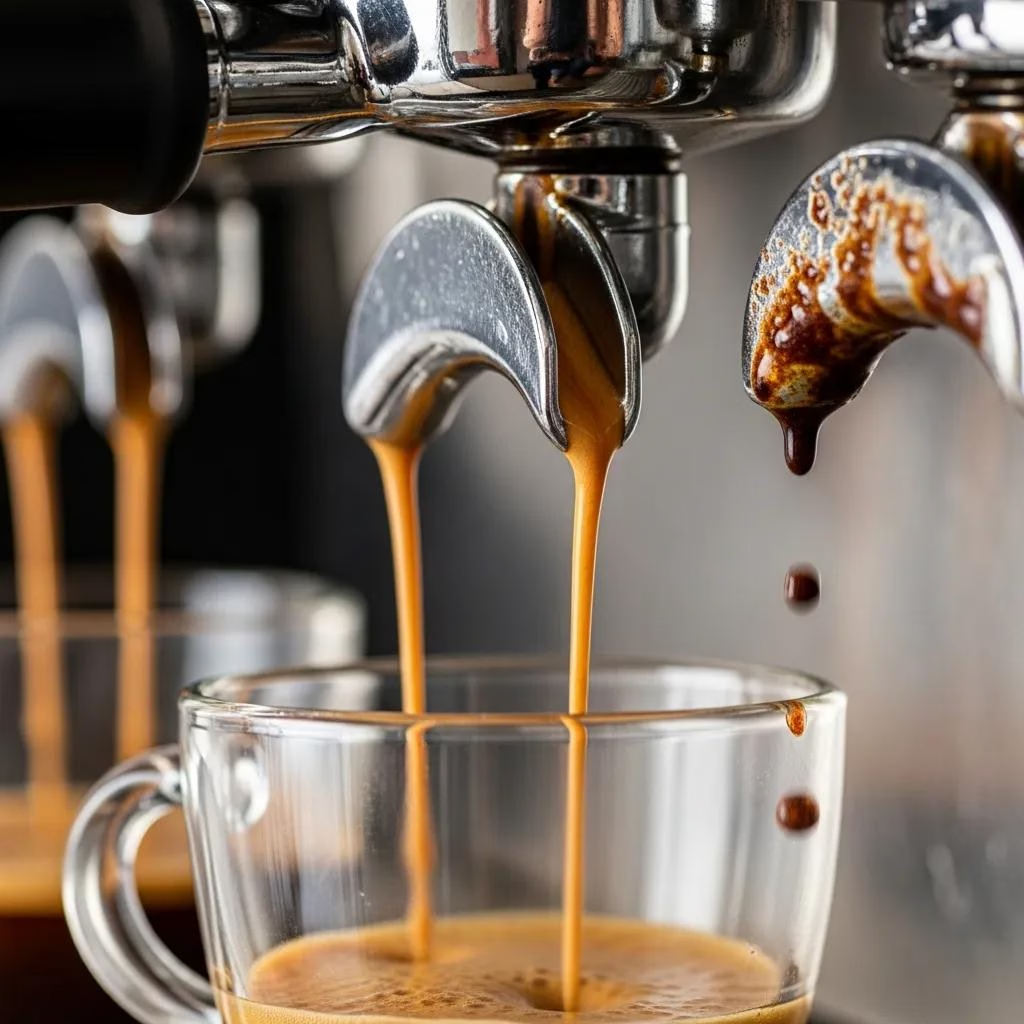
High-ratio shots can bring challenges such as over-extraction and under-extraction. These problems usually trace back to grind size, uneven tamping, or inconsistent brew time. Knowing how to diagnose and adjust these variables is key to better shots.
Troubleshooting Extraction Issues: Over-Extraction and Under-Extraction
Over-extraction pulls excessive bitter compounds. It often occurs with too-fine a grind or an overly long extraction. Fix it by coarsening the grind or shortening the brew time. Under-extraction tastes sour or weak and usually results from a grind that’s too coarse or an extraction that’s too short. Grind finer or lengthen extraction to balance the shot.
Research shows that extraction variables — especially particle size distribution — have a direct impact on espresso quality.
Impact of Extraction Variables on Espresso Quality
This study aims to study the effect and variability of some extraction conditions, such as particle size distribution observed for each grinding level, for the improvement of espresso coffee quality served every day.
How the variance of some extraction variables may affect the quality of espresso coffees served in coffee shops, C Severini, 2016
Adjusting Extraction Time and Sensory Evaluation for Best Results
Extraction time is a critical control. Aim for roughly 25 to 30 seconds for a standard espresso and use that window to assess aroma, flavor, and body. Tasting and timing different beans and ratios will reveal the optimal extraction for each combination.
Frequently Asked Questions
What is the ideal brew ratio for different espresso styles?
Ideal ratios depend on style. A typical traditional espresso uses 1:2. A ristretto (shorter extraction) often sits near 1:1.5. A lungo commonly reaches about 1:3. Use these as starting points and adjust to match the bean and your taste.
How does grind size affect espresso extraction?
Grind size controls surface area and extraction speed. Finer grinds expose more surface area and speed up extraction, which can cause over-extraction if not adjusted. Coarser grinds slow extraction and can cause under-extraction. Find the grind that balances flavor given your ratio and machine.
Can water quality impact espresso flavor?
Yes. Water mineral content and pH change how compounds dissolve and can alter flavor. Filtered water with a balanced mineral profile gives the most consistent extraction. Very hard water can add off-flavors; very soft water may under-extract. Consider water formulated for coffee when possible.
What role does tamping play in espresso extraction?
Tamping compresses the grounds into a uniform puck so water flows evenly. Proper tamping prevents channeling, where water finds weak paths and extracts unevenly. A flat, even tamp helps ensure consistent saturation and balanced flavor.
How can I troubleshoot a bitter espresso shot?
Bitter shots typically mean over-extraction. Start by checking your grind — if it’s too fine, coarsen it. Shorten extraction time or lower the dose if needed. Also confirm your tamp is even. These steps usually reduce bitterness.
What is the significance of extraction time in espresso brewing?
Extraction time directly affects the shot’s taste. The standard target is 25–30 seconds. A short extraction often tastes sour or weak; a long one tends toward bitterness. Use timing to fine-tune the sensory profile of each shot.
Conclusion
Mastering high-ratio extractions upgrades both flavor and your brewing skill. Understand ratios, use stable equipment, and adjust dose, grind, and time to produce consistent, rich shots. Experiment methodically to find your preferred brew, and consult available resources for further tips and tools to refine your technique.